
Principal Investigator: Dr. Puspa L. Adhikari
Associate Professor (Marine Chemistry)
Bachelor’s Degree(s): B.S. Tribhuvan University, Nepal 2003 (Environmental Sciences) Master’s Degrees(s): M.S. Tribhuvan University, Nepal 2005 (Environmental Sciences) M.S. University of Arkansas at Pine Bluff 2009 (Aquaculture and Fisheries) Ph.D.(s): Ph.D. Louisiana State University 2015 (Oceanography and Coastal Sciences – Chemical Oceanography), Dissertation: Polycyclic Aromatic Hydrocarbon Dynamics in the Northern Gulf of Mexico
Address: Dept. of Marine & Earth Sciences,
Florida Gulf Coast University,
AB9 343,10501 FGCU Blvd. South,
Fort Myers, FL 33965-6565.
Tel: 239-745-4413
Email: padhikari@fgcu.edu
Current Students:
Graduate Students:

Marlin Smith is a Master of Environmental Science student and is currently in the second year of his program. His research focuses on the changes in water quality on the Southwest Florida Shelf with regard to seasonality and hurricane impact events. He graduated from Florida Gulf Coast University in the Spring of 2022 with a dual degree in environmental studies and marine science with a minor in climate change. Marlin worked with Dr. Melissa May on monitoring the health of the Eastern Oyster (Crassostrea virginica) and established a routine water quality sampling effort in Estero Bay to help better understand the driving stressors behind the historical decline of oyster reefs in the bay. After graduation, Marlin plans to become a field technician or a dive and boating safety officer. In his free time, Marlin loves to tech dive and explore different places in Florida!

Susannah Cogburn is a Master of Environmental Science Student and an NSF GRFP Fellow in the Marine Geochemistry Lab. Her research broadly seeks to understand organic contaminant concentrations and their effects on osmoregulation in Bull Sharks (Carcharhinus leucas). Susannah graduated from Florida Gulf Coast University in the Fall of 2022 with a B.S. in Marine Science with a double minor in Geology and Climate Change. Susannah worked as an undergraduate research assistant under Dr. Adhikari on quantifying the prevalence of Karenia brevis (the dinoflagellate that causes red tide) in the sediments, which improved our understanding of the biology of this species and helped reconstruct historical red tide events. She also conducted one of the first ocean acidification projects in SWFL as her senior research project. The project analyzed 1) how the Caloosahatchee River-derived dissolved inorganic carbon (DIC) affects the carbonate system and seawater pH in the West Florida Shelf and 2) how the excess nutrient-derived primary production affects seawater DIC, potentially leading to local ocean acidification events. She presented her findings at the American Geophysical (AGU) Fall Meeting in 2021 and 2022 and the Southwest Florida Water Resources Conference. When not in the lab, you can find Susannah teaching Scientific Diving or scuba diving Florida’s Artificial Reefs!
Undergraduate Students:

Isabel Kacprowski is an undergraduate Marine Science student at Florida Gulf Coast University. She is currently working in the Marine Geochemistry Lab (MGL) and studying Brevetoxin concentrations within sediments distributed throughout Southwest Florida. Outside of the lab, she likes spending her time outdoors and by the ocean.
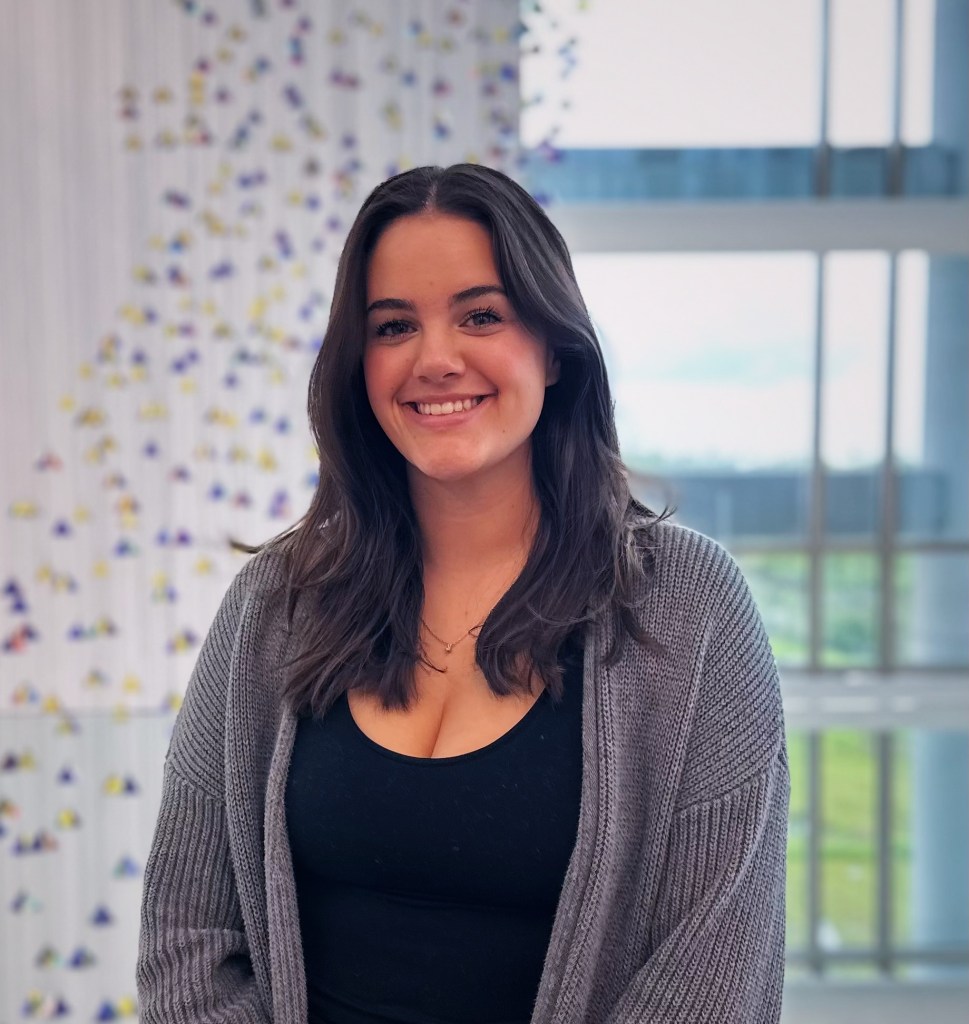
Sophie Leavitt is an undergraduate Marine Science student at Florida Gulf Coast University. Currently, she is working in the Marine Geochemistry Lab (MGL) studying Brevetoxin (toxins produced by Florida Red tides) in sediments. Outside of the lab, she enjoys being creative and traveling.
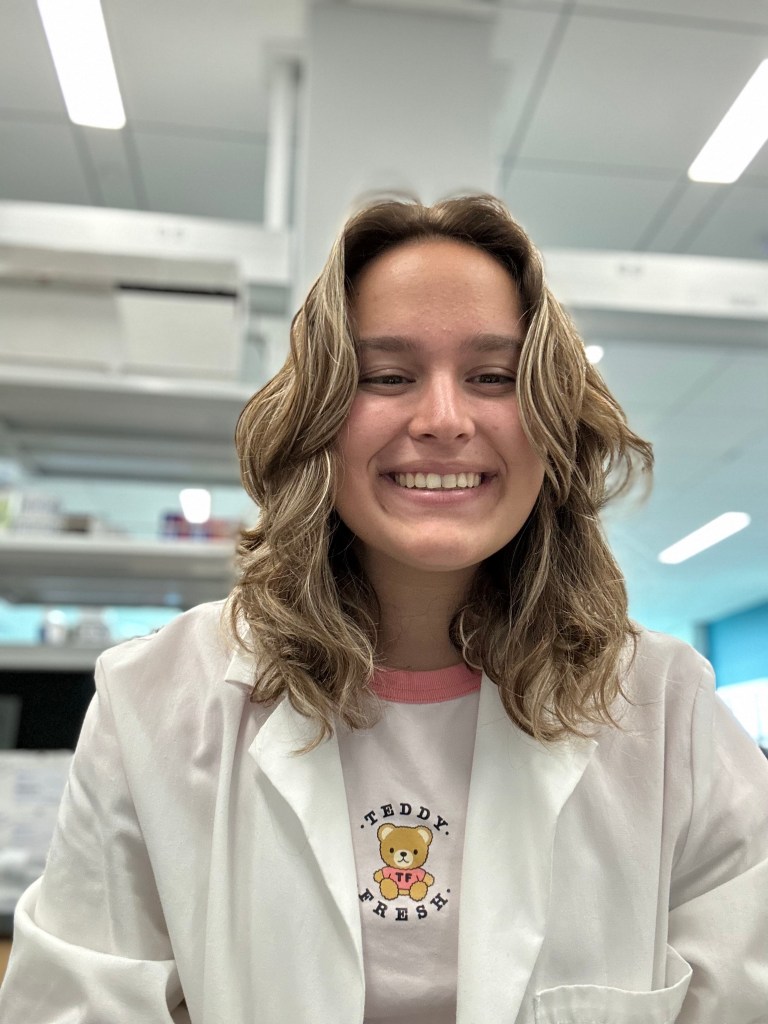
Sofia Cuellarsola is a Marine Science Major with a minor in Climate Change at Florida Gulf Coast University. She is currently working on the Brevetoxin Extraction team in the Marine Geochemistry Lab and plans to continue Red Tide Research after graduation. If she isn’t in the lab, she enjoys hanging out with friends on the beach.

Zane Bullock is an Environmental Studies major, working in the Marine Geochemistry Lab (MGL) on a research project to determine glyphosate and atrazine concentrations in various aquatic ecosystems in Southwest Florida. I am also working on red tide (brevetoxin) extractions, to determine transport and fates of the toxins produced by the red tide blooms (Karenia brevis). I strongly dislike public presentations, so please don’t make me talk too much.

Riley Miller is an undergraduate student studying Marine Science with a minor in biology. I work in the Marine Geochemistry Lab in the water school on the Red Tide extractions team and stable isotope preparation. Outside of the lab, I like playing pool, gaming, or just hanging out at home.

Kenzie Pruitt is a Marine Science undergraduate student graduating in December. In Dr. Adhikari’s lab, she runs Total Alkalinity samples as well as conducts microplastic work, comparing the effects of Hurricane Ian on microplastic concentrations in the Gulf of Mexico. She hopes to continue working with microplastics, quantifying them in fish species for her Master’s thesis in FGCU’s M.S. Environmental Science program. Outside of the lab, she loves scuba diving and mountain biking.

Savanna Reiners Lorem ipsum dolor sit amet. Qui ratione distinctio est iure optio qui laboriosam quia. Aut placeat voluptatem a sapiente nihil eum reprehenderit autem eos corporis internos. In soluta neque 33 repellat ullam aut recusandae ullam et deserunt natus sed deserunt molestiae quo ducimus doloribus et sapiente iure. Quo quae nemo et dolorem mollitia aut aspernatur cupiditate qui consequatur perferendis qui autem velit ut neque voluptatem.
Devin Deming Lorem ipsum dolor sit amet. Qui ratione distinctio est iure optio qui laboriosam quia. Aut placeat voluptatem a sapiente nihil eum reprehenderit autem eos corporis internos. In soluta neque 33 repellat ullam aut recusandae ullam et deserunt natus sed deserunt molestiae quo ducimus doloribus et sapiente iure. Quo quae nemo et dolorem mollitia aut aspernatur cupiditate qui consequatur perferendis qui autem velit ut neque voluptatem.
Former Students:
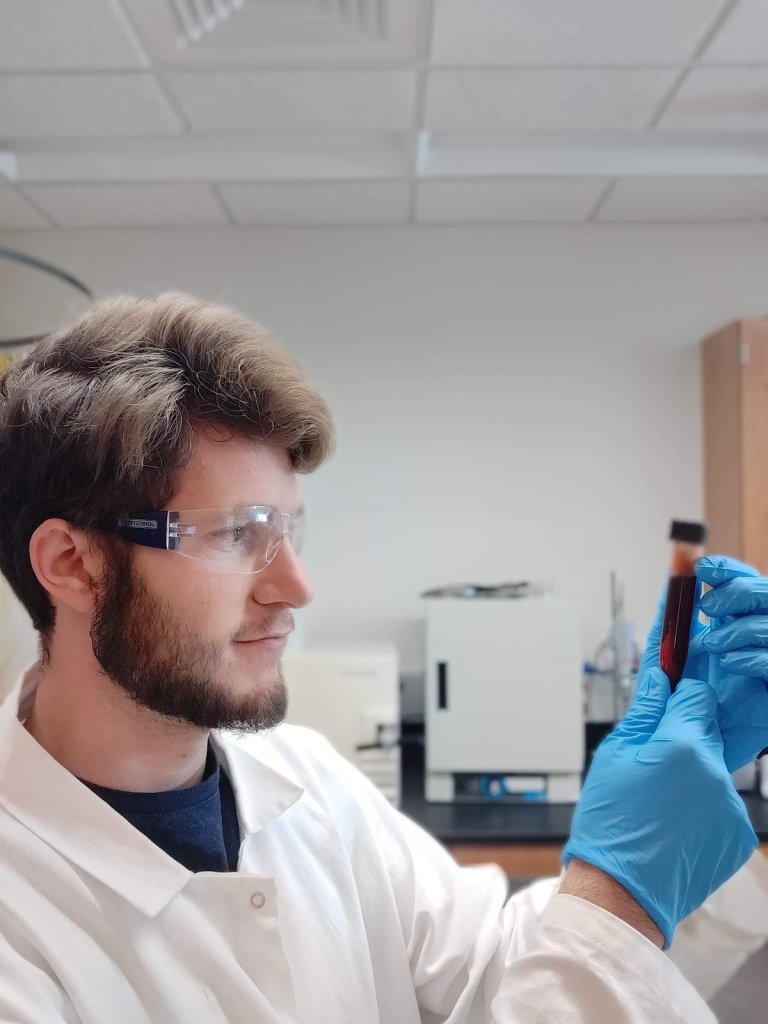
James Javaruski graduated from FGCU with a Bachelor of Science degree in Marine Science and a Master of Science degree in Environmental Science. James spent some time with a variety of other lab groups in undergrad, but Dr. Adhikari’s Marine Geochemistry Lab was the best. He had the opportunity to experience a variety of disciplines within the field, including radio-chemistry and sediment toxicology. Due to the support, encouragement, and opportunities offered by Dr. Adhikari, James’ committee (Dr. Jo Muller and Michael Parsons), and FGCU as a whole, he stayed to pursue his master’s in environmental science, focusing on sediment toxicology. Within the lab, he garnered enough boating experience to obtain his captain’s license, increased his diving experience that furthered my skills as a scientific diver, and gained leadership experience as a laboratory manager. Dr. Adhikari is a strong supporter of working with other groups, so once he graduated, he became laboratory manager of the Mote Marine Laboratory Ecotoxicology Department.
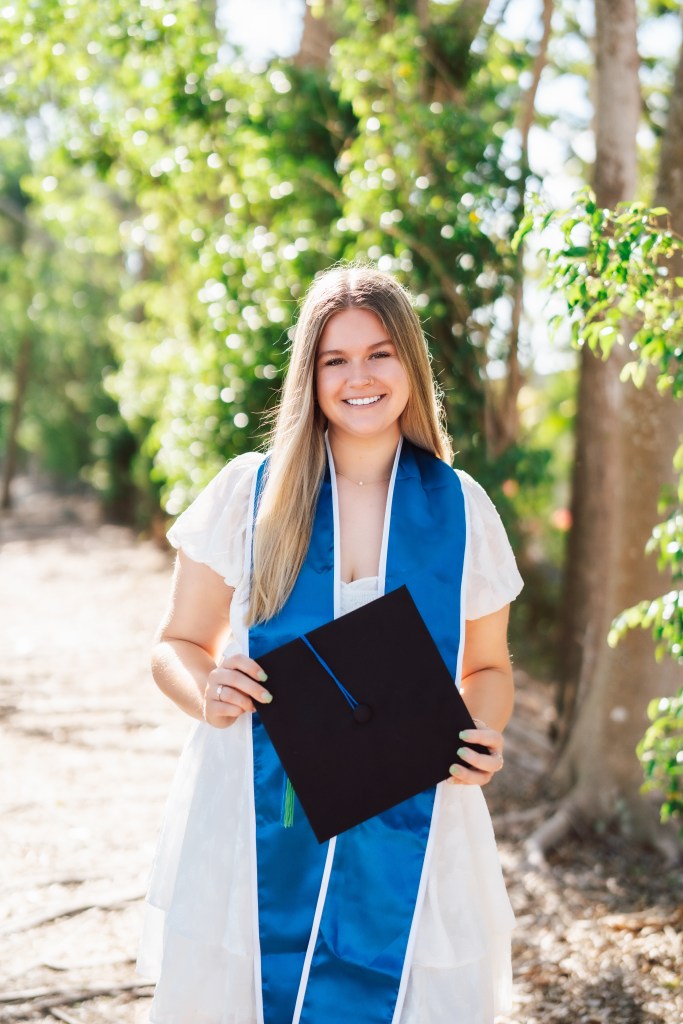
Lexi Ludwig graduated from FGCU with a bachelor of science in Marine Science and a bachelor of arts in Environmental Studies. As a part of the Marine Geochemistry Lab, Lexi worked on processing samples to determine the concentration of Brevetoxin within sediments throughout Southwest Florida. She also completed a senior research project that aimed to determine the effect Hurricane Ian had on the distribution of nutrients in the West Florida Shelf. Lexi is now working as an Environmental Specialist with Sarasota County!

Brianna Davis graduated from Florida Gulf Coast University (FGCU) in Fall 2022 with a B.S. in Marine Science. While there, she worked as an undergraduate research assistant under Dr. Adhikari, quantifying the microplastic abundance in Estero Bay through organic digestion methodology and microscope analysis. This research was able to reach the Florida public through a couple of news broadcasts such as ABC 7, NBC 2, Fox 4, and WSVN 7. After she graduated from FGCU, she began her master’s degree in Spring 2023 at Florida Atlantic University’s Harbor Branch Oceanographic Institute (HBOI). At HBOI, she will be investigating the effects of temperature on the uptake, retention, and trophic transfer of microplastics in benthic communities. She will also have Dr. Adhikari as part of her committee for her thesis project.
Jed Cicoria (BS) Lorem ipsum dolor sit amet. Qui ratione distinctio est iure optio qui laboriosam quia. Aut placeat voluptatem a sapiente nihil eum reprehenderit autem eos corporis internos. In soluta neque 33 repellat ullam aut recusandae ullam et deserunt natus sed deserunt molestiae quo ducimus doloribus et sapiente iure. Quo quae nemo et dolorem mollitia aut aspernatur cupiditate qui consequatur perferendis qui autem velit ut neque voluptatem.
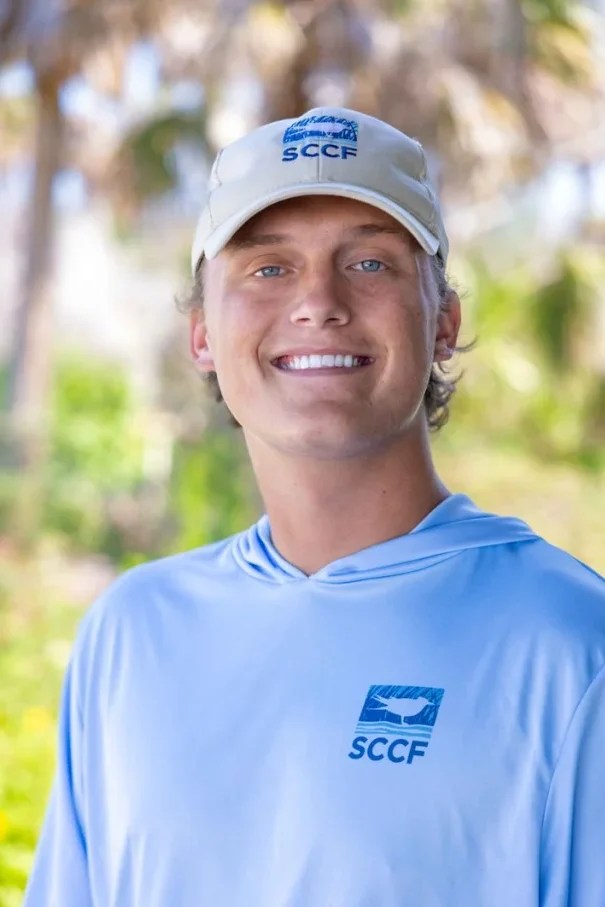
Austin Wise graduated from FGCU with a bachelor’s degree in Marine Science. As a part of the Marine Geochemistry Lab, Austin worked on sediment and water sample collection as well as the lab analysis of those samples. These duties were performed as part of red tide and microplastic pollution research. He is now a Marine Science Educator at the Sanibel Sea School and SCCF (Sanibel Captiva Conservation Foundation).

Jolie Alberty was an undergraduate Marine Science student at Florida Gulf Coast University, working in the Marine Geochemistry Lab for two years. She focused on the abundance of microplastics in the waters of the Charlotte Harbor Estuary. She is currently an Environmental Science graduate student here at FGCU under Dr. Melissa May. Currently, she is working on EPA-funded hard clam research in Pine Island Sound.
Michael ‘Parker’ Sanford Lorem ipsum dolor sit amet. Qui ratione distinctio est iure optio qui laboriosam quia. Aut placeat voluptatem a sapiente nihil eum reprehenderit autem eos corporis internos. In soluta neque 33 repellat ullam aut recusandae ullam et deserunt natus sed deserunt molestiae quo ducimus doloribus et sapiente iure. Quo quae nemo et dolorem mollitia aut aspernatur cupiditate qui consequatur perferendis qui autem velit ut neque voluptatem.

Makayla Coyle graduated from Florida Gulf Coast University in Fall 2021 with a B.S. in Marine Science, with a double minor in Geology and Climate Change. In Pupsa’s Marine Geochemistry Lab, I worked as an intern dissolving and analyzing water samples under a microscope for microplastics. Currently, I am taking a break from my career path to travel. I am working at a coffee shop to fund my goal of traveling around the world.
Britney Prebis Lorem ipsum dolor sit amet. Qui ratione distinctio est iure optio qui laboriosam quia. Aut placeat voluptatem a sapiente nihil eum reprehenderit autem eos corporis internos. In soluta neque 33 repellat ullam aut recusandae ullam et deserunt natus sed deserunt molestiae quo ducimus doloribus et sapiente iure. Quo quae nemo et dolorem mollitia aut aspernatur cupiditate qui consequatur perferendis qui autem velit ut neque voluptatem

Zachary Tabaac is currently a graduate student at the University of South Florida (USF) pursuing his M.S. in Environmental Science & Policy. He also works as a field assistant for the United States Geological Survey (USGS). His duties are to assist USGS field technicians with surface water gauge repairs, water quality sampling, and groundwater wells. Zach graduated from Florida Gulf Coast University (FGCU) in Spring 2021 with his B.S. in Marine Science. At FGCU, he worked in Dr. Puspa Adhikari’s Laboratory where he worked on radium (Ra) isotopes as a tracer for submarine groundwater discharge (SGD). His undergraduate research project was on the Chemistry of Submarine Hot Springs and Implications for the Nutrient Input to Harmful Algae Blooms in Southwest Florida. The project investigated the groundwater systems of Charlotte County, Florida (FL), Charlotte Harbor, Little Salt Springs, and the geothermal springs. The aim of the project was to see how nutrient loading from groundwater impacts harmful algae bloom (HABs) formation on top of what is known as surface water discharge. My thesis project at USF is a continuation of my undergraduate project with a focus on groundwater wells in Charlotte County, FL, and Warm Mineral Springs from samples collected for Ra isotopes and metals. The aquifers of focus in Charlotte County, FL for my thesis is the Upper and Lower Arcadian Aquifer located in the Hawthrone Aquifer System. The Arcadian Aquifer is the main potable drinking water for Charlotte County, FL that is known to be enriched in Ra isotopes, anoxic, sulfuric, and water properties like the Upper Floridian Aquifer.
Aneesa Dial As a part of the EPA’s ecological assessment of the Caloosahatchee River estuary (CRE) ecosystem, I helped collect and process water samples for potential ground water well leakage and assess nutrient content along the CRE coast and nearby Gulf of Mexico. This included comparing data on sample site’s Radium isotope counts, total Nitrogen & Phosphorus, and a multitude of YSI parameters. I was also responsible for configuring the digital map with groundwater well and in situ sample locations using GIS technology.
I also assisted in other projects taking place in the Marine Chemistry Lab. such as microplastic and plankton work. I gained an abundance of experience working in Dr. Adhikari’s lab and would highly recommend those interested to reach out.
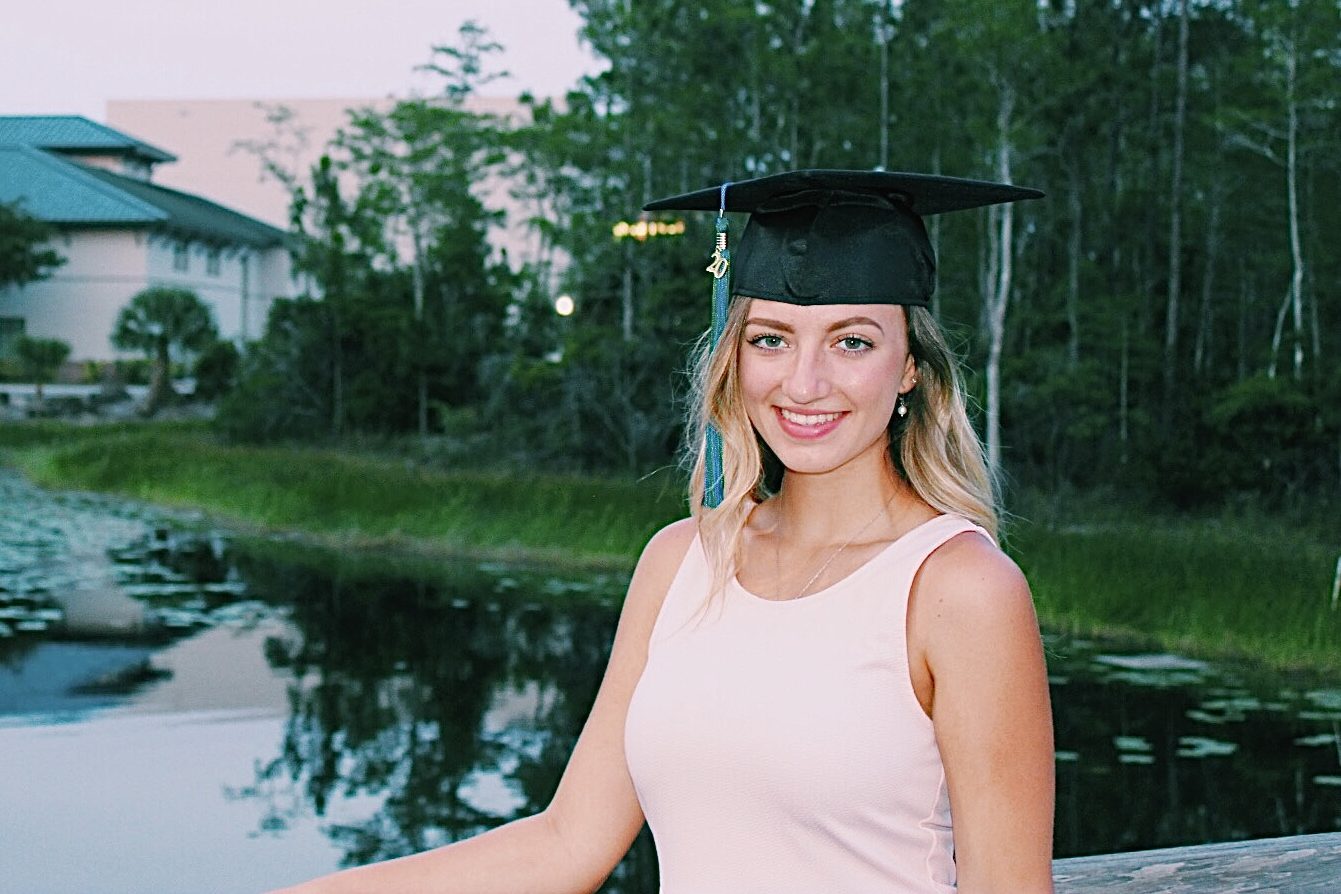
Sarah Newton worked in Puspa’s lab from the fall of 2019 to the summer of 2020. While there, she developed a method for microplastic sample digestion and microscope analysis. She started the Lab’s first microplastic research project encompassing sites in the Gulf of Mexico, Estero Bay, and the Caloosahatchee River Estuary (CRE). This is an ongoing project in the Marine Geochemistry Lab and she is now working on a research paper on characteristics of microplastics in Southwest Florida. After graduating with her Bachelor of Marine Science degree from Florida Gulf Coast University, she began working at Southwest Florida Water Management District (SFWMD) In the fall of 2020 and worked her way up to the Scientist 3 level. She has gained nutrient analysis experience in the District’s chemistry lab and became the regional coordinator for the CRE, St. Lucie, southern Indian River Lagoon (IRL), and Loxahatchee Rivers in the Coastal section of SFWMD. She recently left this position to get her master’s degree at Florida Atlantic University studying under Dr. Brian LaPointe. Her thesis project is being done in coordination with SFWMD and she is examining the sediment nutrient relationships with seagrass growth in the southern IRL.
Julie Prell
Julian Halil
Austin Lysfjord
 Marine Geochemistry Lab